FLIR C5 Compact Thermal Imaging Camera
As an Amazon Associate I earn from qualifying purchases.
A thermal imaging camera can reveal temperature differences that are difficult to spot any other way, which makes it especially useful for heating diagnostics, radiator checks and tracing heat patterns through floors and walls.
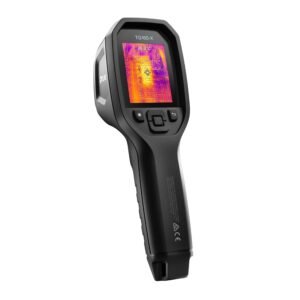
The FLIR C5 combines compact size with 160 × 120 thermal imaging, MSX image enhancement and a 5 MP visual camera, giving plumbers and heating engineers a practical way to record and interpret temperature differences on site.
Why it makes sense for plumbing and heating diagnostics
The FLIR C5 makes sense when you need to see temperature differences quickly without dismantling anything first.
For heating work, it can help show uneven radiator temperatures, identify likely cold spots, trace underfloor heating patterns and highlight areas where heat is escaping from pipework or building fabric.
Its compact size also matters. A thermal camera is far more useful when it actually comes out of the tool bag, and the C5 is small enough to carry as part of a regular diagnostic kit rather than feeling like specialist equipment that only comes out occasionally.
What it should feel like to use
The FLIR C5 should feel more like a compact diagnostic instrument than a bulky camera. Its small body makes it easy to carry from room to room, hold in one hand and bring close to radiators, pipework or floor areas without getting in the way.
The screen and MSX image enhancement are there to make temperature differences easier to interpret by blending thermal detail with visible edges, so the image should feel more readable than a basic heat map alone.
In day-to-day use, the real advantage is speed. You can scan a surface, compare hot and cold areas and capture an image without setting up larger equipment, which makes it well suited to quick checks as well as more methodical investigations.
The drawbacks
The biggest limitation with the FLIR C5 is thermal resolution. At 160 × 120, it is useful for heating diagnostics and general building checks, but there are newer cameras with higher pixel counts that can show finer temperature detail.
Thermal imaging also needs to be interpreted carefully. The camera shows surface temperature differences; it does not literally see through walls or prove on its own that there is a leak, blockage or insulation defect. Good results still depend on understanding what the heat pattern actually means.
Battery life is another consideration. The internal rechargeable battery is convenient, but it is not swappable, so longer days of repeated surveying need a bit of planning around charging.
The compact format is excellent for carrying, but the small screen can feel limiting when you are trying to inspect subtle detail directly on the device. In those situations, transferring images for closer inspection can be more useful.
Finally, the C5 is a professional diagnostic tool rather than something every homeowner needs. For occasional checks, a cheaper thermal camera or thermometer may be enough, while the FLIR makes most sense for users who will rely on thermal imaging regularly.
Who it suits best
The FLIR C5 is best suited to plumbers, heating engineers, building-services technicians and property professionals who regularly need to investigate temperature differences rather than simply take a single spot reading.
It makes particular sense for heating diagnostics, checking radiator performance, tracing underfloor heating patterns and identifying areas that may need closer investigation.
It is less suitable for occasional household use, or for anyone who only needs basic temperature checks and would be better served by a simpler infrared thermometer.
Is it worth a place in the plumbing and heating tool kit?
For plumbers and heating engineers who regularly diagnose temperature-related problems, the FLIR C5 can earn its place by making heat patterns visible quickly and clearly.
Its main strength is portability. It is small enough to carry as part of the everyday diagnostic kit, yet capable of showing radiator performance, underfloor heating patterns and areas of heat loss that would otherwise need more guesswork.
The compromise is resolution and interpretation. At 160 × 120, it is not the sharpest thermal camera available, and the images still need to be read with some understanding of the system being investigated.
For regular heating and building diagnostics, though, the FLIR C5 offers a practical balance of compact size, useful imaging and professional credibility.